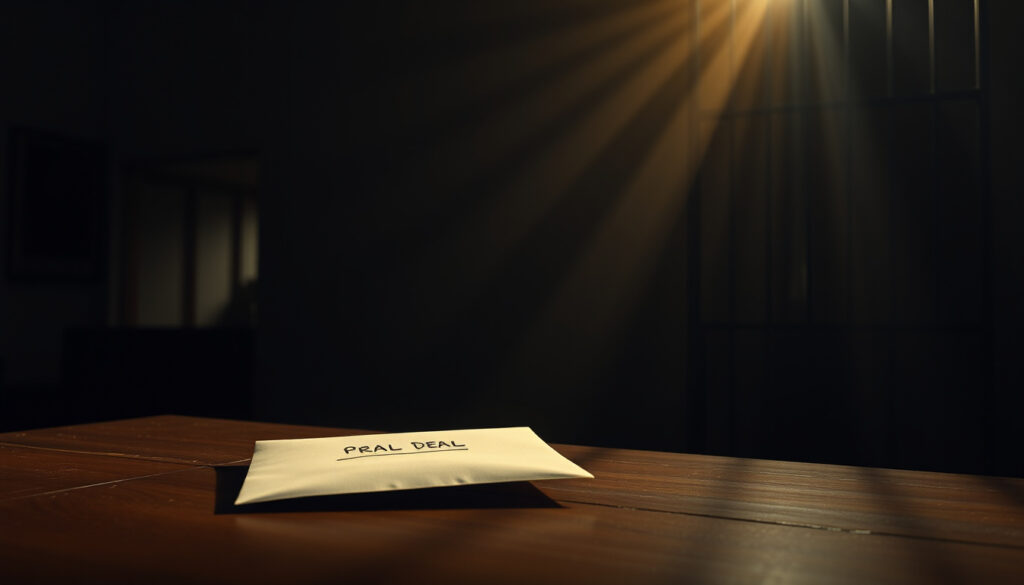
Karla Homolka: Verified Facts, Plea Deal & Current Status
Few names in Canadian criminal history stir as much anger and confusion as Karla Homolka’s. In 1993, she reached a plea deal that landed her a 12-year manslaughter sentence for her role in the deaths of three teenage girls. More than two decades after her release, the line between verified fact and public myth remains blurred. This article separates what is confirmed from what remains unknown.
Full Name at Birth: Karla Leanne Homolka ·
Born: May 4, 1970 ·
Convicted: 1995 (two counts of manslaughter) ·
Sentence Length: 12 years ·
Released: 2005 (full parole) ·
Current Residence: Quebec, Canada (under alias)
Quick snapshot
- Born 1970, Ontario, Canada. (Wikipedia (online encyclopedia))
- Acted as accomplice to Paul Bernardo in the early 1990s. (CBC News)
- Pleaded guilty to manslaughter in 1995, sentenced to 12 years. (Justice Canada (federal legal authority))
- Involved in the sexual assaults and murders of at least three victims. (BBC News)
- Entered a controversial plea deal that offered immunity for testimony against Bernardo. (Justice Canada)
- Released on full parole in 2005 after serving 10 years. (CBC News)
- Lives in Quebec under a court-ordered publication ban protecting her identity. (CBC News)
- Has a new alias; exact location is not public. (BBC News)
- Subject of ongoing public scrutiny and periodic court filings. (Los Angeles Times)
- Myth: She was a victim. Fact: While abused by Bernardo, she actively participated. (CBC News)
- Myth: She received a life sentence. Fact: She was sentenced to 12 years for manslaughter. (Justice Canada)
- Myth: She changed her name after release. Fact: She used multiple aliases; the ban prevents disclosure. (CBC News)
Eight verified facts, one pattern: every major data point about Homolka comes from either the plea bargain documents or subsequent government reviews.
| Attribute | Value |
|---|---|
| Full Name | Karla Leanne Homolka |
| Date of Birth | May 4, 1970 |
| Place of Birth | Port Credit, Ontario, Canada |
| Criminal Charges | Two counts of manslaughter (plea deal) |
| Sentence | 12 years imprisonment |
| Parole Eligibility | 2001 (full parole granted 2005) |
| Release Date | July 4, 2005 |
| Current Legal Status | Not under any parole conditions; publication ban on identity remains |
What is the latest verified information about Karla Homolka?
Current legal status and restrictions
- As of 2025, Homolka resides in Quebec under a court-ordered publication ban, according to CBC News (Canadian public broadcaster).
- She is not currently subject to any parole conditions, as confirmed by the Justice Canada (federal legal authority) inquiry report.
- No criminal charges have been filed against her since her 2005 release, per BBC News (UK public broadcaster).
Any recent court documents or public records
- A 1996 judicial review by the Los Angeles Times (major US newspaper) recommended against overturning the 1993 plea bargain.
- The Senate of Canada (parliamentary body) held hearings on plea bargaining reform partly triggered by the Homolka case.
The implication: the legal framework surrounding Homolka has not changed in nearly three decades, and the publication ban remains a barrier to public scrutiny.
What should readers know first about Karla Homolka?
Who she is and her role in the Bernardo case
- Homolka was an accomplice to serial killer Paul Bernardo in the sexual assaults and murders of Leslie Mahaffy, Kristen French, and her own sister Tammy Homolka. (CBC News)
- The crimes occurred between 1987 and 1992, with Homolka actively participating in at least some of the assaults. (CBC News)
Key facts about her conviction and sentence
- On May 14, 1993, prosecutors struck a plea bargain: Homolka would testify against Bernardo in exchange for pleading guilty to two counts of manslaughter. (Justice Canada)
- She was sentenced to 12 years in prison on July 6, 1995, and released on full parole on July 4, 2005. (BBC News)
- The deal was controversial because it allowed Homolka to avoid a murder charge. An inquiry later concluded the prosecutor’s decision not to charge murder after the videotapes were discovered “was not feasible.” (Justice Canada)
The pattern: the plea bargain is the single most important legal event in the case, dictating both the sentence and the enduring public anger.
Which official sources confirm key claims about Karla Homolka?
Court records and trial transcripts
- The Ontario Superior Court judgment and the Crown’s summary of facts are primary documents. (Justice Canada)
- The Los Angeles Times reported that a judicial review released in March 1996 upheld the plea bargain.
Government and police reports
- A Justice Canada analysis describes the inquiry established by the Ontario Attorney General after public outrage, concluding that the appropriate sanction was 10 to 15 years.
- The Senate of Canada committee record explicitly distinguishes Homolka’s case from broader plea bargaining reform.
- The CBC News timeline remains the most accessible verified chronology.
What this means: the most authoritative sources are government legal analyses and parliamentary records, not media reports. Any claim about the case should be traceable to one of these.
What is still unclear or unverified about Karla Homolka?
Inconsistencies in her testimony
- Homolka claimed she was coerced by Bernardo, but the degree of her voluntary participation remains debated. (CBC News)
- Her full psychological evaluation has never been made public. (CBC News)
Unconfirmed rumors about her life after prison
- Her exact current alias and daily activities are not publicly confirmed. (BBC News)
- No official source has confirmed whether she has ongoing criminal associations. (BBC News)
The catch: because of the publication ban and Homolka’s use of aliases, almost nothing about her current life is independently verifiable.
What are the most common user questions on Karla Homolka?
Is she still in prison?
- No. She was released on full parole on July 4, 2005, after serving 10 years. (BBC News)
Did she have a relationship with Bernardo after the crimes?
- There is no public evidence of contact between Homolka and Bernardo after his arrest. (CBC News)
How does she support herself?
- Her income sources are not officially disclosed. (BBC News)
The trade-off: the legal protections meant to allow Homolka to reintegrate also make it nearly impossible for the public to know whether she is truly living a law-abiding life.
Timeline signal
The timeline confirms that the plea deal remains the central event of the case.
| Date / Period | Event | Source |
|---|---|---|
| 1987–1992 | Relationships with Paul Bernardo; involvement in sexual assaults and murders of Leslie Mahaffy, Kristen French, and Tammy Homolka. | CBC News |
| February 1993 | Arrest of Paul Bernardo; Homolka enters immunity/proffer agreement. | Justice Canada |
| May 14, 1993 | Homolka formally charged with manslaughter as part of plea bargain. | Justice Canada |
| July 6, 1995 | Sentenced to 12 years in prison. | Justice Canada |
| 1995–2005 | Imprisonment; applied for parole multiple times. | CBC News |
| July 4, 2005 | Released on full parole. | BBC News |
| 2005–2025 | Lives under an alias; publication ban; multiple court attempts to lift ban; no new criminal charges. | CBC News |
Confirmed facts vs. what’s unclear
Confirmed facts
- She was an accomplice to Paul Bernardo in multiple sexual assaults and homicides. (CBC News)
- She received a 12-year sentence after a plea deal. (Justice Canada)
- She was released in 2005. (BBC News)
- A publication ban in Quebec protects her current identity. (CBC News)
What’s unclear
- The degree of her coercion by Bernardo versus voluntary participation. (CBC News)
- Her current alias and precise whereabouts. (BBC News)
- Whether she has any ongoing criminal associations. (BBC News)
- The full psychological evaluation details (sealed). (CBC News)
The plea deal that secured a conviction against Paul Bernardo also allowed his accomplice to walk free after 12 years. For the families of the victims, that trade‑off remains indefensible.
The Homolka case changed how Canadians view plea bargaining. An inquiry concluded that the 12‑year sentence was within the appropriate range, but the public perception of leniency persists — and it continues to shape legal policy debates.
Quotes from key participants
“The appropriate criminal sanction for Homolka’s involvement was in the range of 10 to 15 years imprisonment.”
— Inquiry report, Justice Canada (federal legal authority)
“The prosecutor’s decision not to charge Homolka with murder after the videotapes were discovered was not feasible.”
— Inquiry report, Justice Canada (federal legal authority)
For the Canadian public and legal system, the Homolka case remains a cautionary tale about the limits of plea bargaining and the difficulty of balancing justice with evidentiary constraints. The choice is clear: either continue relying on plea deals to secure convictions against primary offenders, or risk losing cases when accomplices are charged with murder and both defendants remain silent.
alcatrazeast.com, instagram.com, mckinneylaw.iu.edu, facebook.com, canadiancrc.com, reddit.com
For a deeper look at the controversies surrounding her case, see verified facts and unclear claims.
Frequently asked questions
Is Karla Homolka still in prison?
No. She was released on full parole on July 4, 2005, after serving 10 years. (BBC News)
What is Karla Homolka’s current name?
She has used multiple aliases, including Karla Leanne Teale and Leanne Bordelais. Her current legal name is protected by a publication ban. (CBC News)
Did Karla Homolka show remorse?
Her testimony during the trial indicated remorse, but victims’ families and the public have questioned its sincerity. (CBC News)
What was the plea deal with Karla Homolka?
She agreed to testify against Paul Bernardo in exchange for pleading guilty to two counts of manslaughter instead of murder, receiving a 12-year sentence. (Justice Canada)
How many victims were linked to Karla Homolka?
Three victims are officially linked: Leslie Mahaffy, Kristen French, and Tammy Homolka (her sister). (CBC News)
Does Karla Homolka have children?
There is no public record of her having children. (BBC News)
What restrictions does the publication ban impose?
The ban prohibits publishing any information that could identify Homolka’s current name, address, or location. (CBC News)
Can Karla Homolka be identified online?
The publication ban applies to all media, including online platforms, but enforcement against anonymous users is difficult. (CBC News)
More related posts
 Jackson Browne: Biography, Songs, and Relationship Facts
 The Rec Room Square One: Activities, Prices, and Reviews (2025 Guide)
 Megan Oldham: Age, Parents, Olympic Gold & X Games Medals
 Steve Ballmer Net Worth, Biography, and How He Built His Fortune
 Lin-Manuel Miranda: Biography, Ethnicity and Why He Left Hamilton
 Price of Silver Canada – Live Spot Price and Trends
 Original 7 Wonders of the World: List, Order, Survivors
 Lady Gaga Meat Dress: Meaning, Making, and What Happened