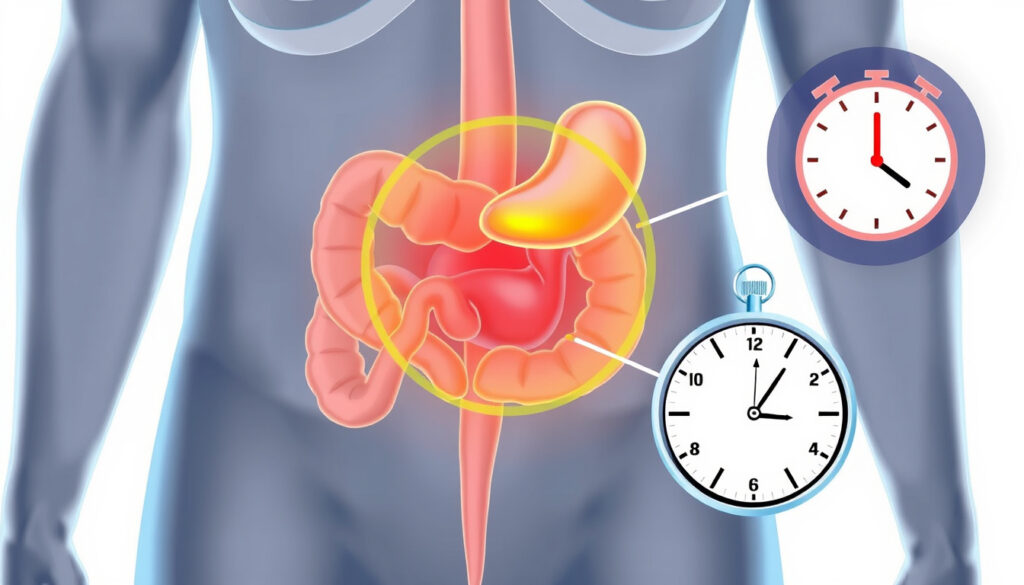
Lower Right Abdomen Pain: Causes, Symptoms & When to Seek Help
Few things send people to the emergency room faster than a sharp, stabbing pain in the lower right abdomen. According to the Mayo Clinic, appendicitis — an inflammation of the appendix — is a common cause of this pain and often requires urgent surgery. This article walks through the organs involved, the typical progression of symptoms, and the red flags that mean it’s time to get help.
Lifetime risk of appendicitis: 7-8% ·
Most common age group: 10-30 years ·
Percentage of ED visits for right lower quadrant pain: 5-10% ·
Appendicitis is the leading cause of acute abdominal surgery: Yes
Quick snapshot
- Appendicitis pain often begins near the belly button and shifts to lower right (NHS).
- Nausea, vomiting, and loss of appetite are common (Mayo Clinic).
- Pain worsens with coughing or movement (Cleveland Clinic).
- The exact trigger for appendicitis is not always known (Cleveland Clinic).
- Atypical symptoms can delay diagnosis, especially in pregnant women and the elderly (NHS).
- Pain moves from belly button to right lower quadrant within 6-12 hours (NHS).
- If untreated, risk of rupture increases after 24 hours (NHS).
- Seek emergency care if pain is severe, with fever or vomiting (Cleveland Clinic).
- Treatment usually involves antibiotics and surgery to remove the appendix (Mayo Clinic).
The stats tell a clear story: appendicitis is the most dangerous possibility when pain lands in the lower right quadrant, but it’s far from the only one.
| Fact | Value |
|---|---|
| Appendicitis lifetime risk | 7-8% |
| Most common age | 10-30 years |
| Pain location | Right lower quadrant (McBurney’s point) |
| Emergency treatment window | Within 24 hours of onset |
What Organ Hurts the Lower Right Abdomen?
Organs in the lower right quadrant
- The lower right abdomen contains the appendix, cecum, ascending colon, right ovary and fallopian tube, right ureter, and parts of the small intestine (Cleveland Clinic). The appendix is a small finger-like pouch attached to the large intestine.
- Pain can originate from any of these structures, so knowing which organ is involved narrows the cause.
Common conditions by organ: appendicitis leads the list, but kidney stones, ovarian cysts, and muscle strain also appear.
Because the appendix sits in the same zone as the ovary, ureter, and colon, a patient describing “right side pain” could be dealing with any of a dozen conditions. The pattern — where it starts, how it moves — is the real clue.
Common conditions by organ
- Appendicitis: inflammation of the appendix (Mayo Clinic).
- Kidney stones: sharp pain that may radiate to the back or groin (Ubie Health).
- Ovarian cysts: dull or sharp pain tied to the menstrual cycle (Ubie Health).
The implication: a single location doesn’t equal a single diagnosis. The timing, quality, and accompanying symptoms separate appendicitis from benign causes.
What Are the First Signs of Appendicitis?
Classic symptoms
- The hallmark pattern: pain begins around the navel and shifts to the lower right quadrant within 6-12 hours (NHS).
- Alongside the pain, most people experience nausea, vomiting, loss of appetite, and a low-grade fever that may climb as the condition worsens (Mayo Clinic).
- Pain often intensifies with coughing, walking, or pressing on the area (Cleveland Clinic).
The pattern: early appendicitis looks like a stomach bug — until the pain moves and sharpens. That migration is the key distinguishing feature.
Atypical presentations
- Not everyone follows the classic script. In pregnant women, the appendix may shift, causing pain higher or around the back (NHS).
- Young children and older adults may have vague, dull pain without clear migration, making diagnosis trickier (NHS).
- Some patients report diarrhea or constipation alongside pain — bowel changes do not rule out appendicitis (Mayo Clinic).
What this means: if you’re pregnant, elderly, or very young, don’t wait for the textbook “belly button to right side” story. Unexplained lower right pain lasting more than a few hours warrants a medical check.
What Can Cause a Dull Ache in Your Lower Right Side?
Gas and indigestion
- Gas and constipation are the most common benign causes. The pain is temporary, often relieved by passing gas or a bowel movement (Ubie Health). No fever, no nausea.
- Irritable bowel syndrome (IBS) can cause a recurring dull ache with bloating and irregular stools.
Musculoskeletal causes: a pulled muscle from exercise or awkward movement can produce a localized ache that worsens with certain motions.
Gynecological causes in females
- Ovulation pain (mittelschmerz) can cause a dull, one-sided ache mid-cycle (Ubie Health).
- Ovarian cysts may cause a dull pressure or sharp pain, especially around menstruation.
The catch: when the ache is accompanied by fever, vomiting, or worsening intensity, it’s no longer just gas or ovulation. The distinction often comes down to progression — benign causes stay steady or improve; appendicitis gets worse.
When Should I Be Concerned About Right Side Pain?
Red flags requiring emergency care
- Pain that is severe, constant, or getting worse over hours.
- Fever over 100.4°F (38°C), especially with chills.
- Persistent vomiting or inability to keep fluids down.
- Inability to pass gas or have a bowel movement.
- Pain that worsens with coughing, walking, or being touched over the area — this can signal peritonitis from a ruptured appendix (NHS).
- Blood in stool or urine.
If you’re pregnant, right-sided pain is doubly urgent. Ectopic pregnancy and appendicitis both present this way and both require immediate care. The NHS advises anyone pregnant with new abdominal pain to be evaluated without delay.
When to see a doctor
- If pain persists for more than a few hours, or if it comes and goes but doesn’t improve.
- If you have a low-grade fever, nausea, or appetite loss.
- If you have a history of kidney stones, ovarian cysts, or hernia and the pain feels different than before.
The trade-off: most lower right pain isn’t an emergency, but the consequences of missing appendicitis are severe. A simple blood test and physical exam can give a clear answer.
What Causes Lower Right Abdominal Pain in Females and Males?
Female-specific causes
- Ovarian cysts and ovulation pain are common and often harmless (Ubie Health).
- Ectopic pregnancy can cause severe, one-sided pain and is a medical emergency.
- Pelvic inflammatory disease (PID) often brings lower abdominal pain with fever and vaginal discharge.
Male-specific causes
- Testicular torsion can radiate pain to the lower abdomen, but the primary pain is in the testicle.
- Inguinal hernia may cause a dull ache or sharp pain on the right side, especially with lifting or straining.
Shared causes
- Appendicitis, kidney stones, constipation, IBS, urinary tract infections, and muscle strain affect both men and women (Ubie Health).
Why this matters: gender doesn’t change the need for urgent evaluation when red flags are present, but it does change the list of likely causes. A doctor will consider the full picture, including reproductive organs in women.
Timeline of Appendicitis Progression
- 0-6 hours: Vague abdominal pain, often in the mid-abdomen near the navel.
- 6-12 hours: Pain moves to the lower right abdomen, becomes sharper.
- 12-24 hours: Pain intensifies, fever and nausea develop.
- 24-48 hours: Risk of appendix rupture, leading to peritonitis and requiring immediate surgery (NHS).
The pattern: the window for safe treatment is roughly 24 hours from symptom onset. After that, the risk of rupture climbs quickly.
What We Know and What’s Unclear
Confirmed facts
- Appendicitis is a medical emergency that requires surgery (Cleveland Clinic).
- Pain that worsens with movement or coughing suggests peritonitis (NHS).
- Not all lower right abdominal pain is appendicitis; many causes are benign (Ubie Health).
What’s unclear
- The exact trigger for appendicitis is not always known (Cleveland Clinic).
- Some individuals may experience atypical symptoms, delaying diagnosis (NHS).
Expert Perspectives
Lower right pain usually has something to do with your appendix, so seek medical care right away.
Cleveland Clinic
The first sign of appendicitis is often a sudden pain that begins on the right side of the lower abdomen.
Mayo Clinic
If appendicitis is not treated quickly, the appendix can burst.
NHS
For anyone experiencing lower right abdomen pain that doesn’t feel like ordinary indigestion, the choice is clear: get it checked. A few hours of waiting can turn a straightforward surgery into a complicated emergency. The evidence-based red flags are your best guide — use them.
Related reading: What Causes Poor Sleep Quality? 7 Key Factors and How to Fix It
health.harvard.edu, lifetimesurgical.com, farnorthsurgery.com
For a comprehensive overview of potential causes and warning signs, consult this detailed lower right abdomen pain guide.
Frequently asked questions
Can lower right abdominal pain be a sign of a hernia?
Yes, an inguinal hernia can cause a dull ache or sharp pain on the right side, especially during lifting or straining (Ubie Health).
Is lower right abdominal pain common after eating?
Gas, indigestion, or a heavy meal can trigger temporary discomfort. But if pain recurs consistently after eating, it may point to gallstones or IBS.
Does appendicitis pain get worse when you cough?
Yes, coughing or walking typically worsens appendicitis pain because it stretches the inflamed peritoneum (Cleveland Clinic).
Can stress cause lower right abdominal pain?
Stress can exacerbate IBS or cause muscle tension, which may lead to abdominal discomfort, but it does not directly cause appendicitis or kidney stones.
What is McBurney’s point?
McBurney’s point is a specific spot on the lower right abdomen where tenderness is often maximum in appendicitis. It’s located about two-thirds of the way from the navel to the hip bone.
How long does it take for appendicitis to rupture?
The risk of rupture increases after 24-48 hours from symptom onset (NHS). Early treatment dramatically reduces this risk.
Can you have appendicitis without a fever?
Yes, a low-grade fever may be absent in early stages or in mild cases, but most people develop a fever as the inflammation progresses (Mayo Clinic).
What should I do if I have lower right abdominal pain and I am pregnant?
Seek immediate medical evaluation. Ectopic pregnancy and appendicitis are both potential causes that require urgent care (NHS).
More related posts
 Brent Faiyaz Biography: Ethnicity, Family & Sonder Son
 Original 7 Wonders of the World: List, Order, Survivors
 Cheetos Mac and Cheese: Still Available? Reviews & Health
 Michelin Pilot Sport 4S: Price, Sizes & Ireland Review
 Jennifer Jones: Oscar Win, Marriages, and Hollywood Legacy
 Best Places to Watch Whales: Ireland, Azores & More
 Belinda Bencic: Husband, Baby, and 2025 Comeback
 U.S. Citizen Detained at Border: Rights, Recourse, and Cases