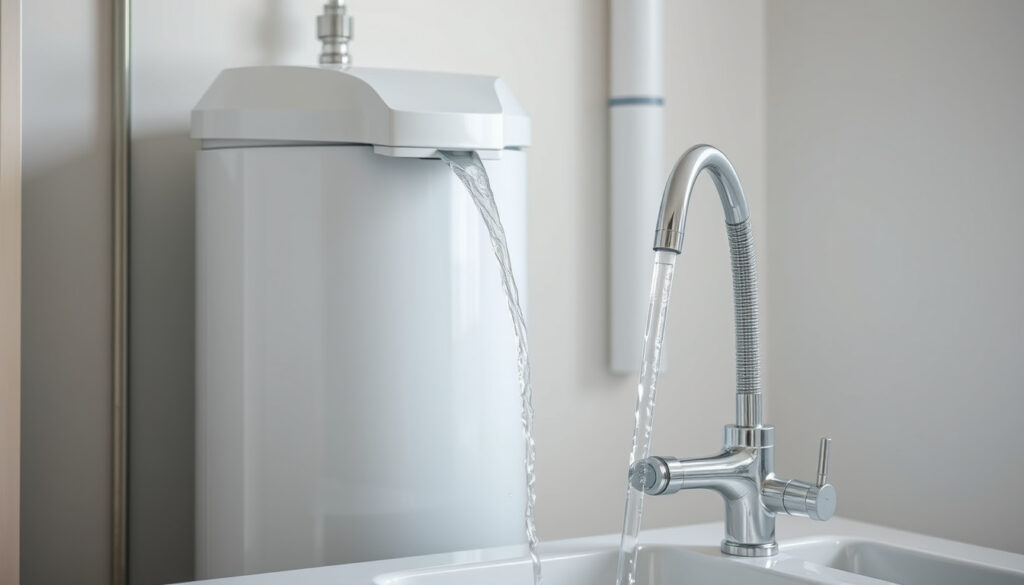
Water Softener Near Me – Local Services, Costs and Installation Guide
Hard water affects millions of households across the country, leaving behind scale buildup, soap scum, and damaged appliances. Finding a reliable water softener service nearby can transform your home’s water quality, protecting your plumbing and improving daily comfort. This guide walks through everything you need to know about locating, installing, and maintaining a water softening system in your area.
Whether you’re dealing with mineral deposits on fixtures, dry skin after showering, or inefficient water heaters, a properly sized and installed water softener addresses these common problems effectively. Understanding the local market, typical costs, and what to expect from professionals helps homeowners make informed decisions without unnecessary delays or expenses.
How to Find Reliable Water Softener Services Near Me
Locating qualified water softener installers in your area requires knowing which resources provide trustworthy information. Major retail chains like Lowe’s and Home Depot offer in-home consultations and installation services based on your home’s specific requirements. These national retailers employ trained technicians who can assess your water hardness levels and recommend appropriate system sizes.
For more localized options, platforms such as HomeAdvisor and Angi connect homeowners with pre-screened plumbing professionals in their communities. Simply entering your zip code generates a list of nearby contractors with customer reviews, licensing information, and service guarantees. Companies like Hope Plumbing in Indianapolis exemplify the customized installation services available through local providers.
Ion exchange, salt-free, magnetic, and reverse osmosis systems
$500–$6,000 depending on system type and capacity
Typically 2–4 hours for standard units
Culligan, Fleck, Clack, and Whirlpool
Key Insights for Your Search
- Always test your water hardness first using a home test kit or professional assessment
- Obtain at least three quotes from different providers before committing
- Verify contractor licenses, insurance, and customer reviews
- Ask about warranty coverage and post-installation service options
- Compare both purchase and rental options based on your long-term plans
- Consider energy efficiency ratings when evaluating different models
- Check whether your local area has high labor costs that may affect installation pricing
| Fact | Details |
|---|---|
| Capacity Range | 24,000 to 96,000 grains per regeneration cycle |
| Salt Usage | $5–$10 per 40-pound bag; regeneration takes 17–30 minutes |
| System Lifespan | 10–15 years with proper maintenance |
| Scale Reduction | Up to 99% reduction in scale buildup |
| Energy Savings | Up to 30% reduction in water heater energy costs |
What Does Water Softener Installation Cost Near Me?
Water softener installation costs average $1,500 nationwide, with most homeowners spending between $200 and $6,000 depending on several key factors. According to Homewyse cost data, a basic 20,000-grain unit typically ranges from $1,131 to $1,405 when including both materials and professional labor. Your specific location, the complexity of your plumbing system, and the type of system you choose all influence the final price.
System Capacity and Pricing
Capacity requirements depend on your household size, daily water consumption, and the hardness of your local water supply. Larger homes with harder water need higher-capacity units that cost more upfront but operate more efficiently.
| Capacity (Grains) | Material Cost | Suitable Hardness (GPG) | Home Size |
|---|---|---|---|
| 24,000 | $300–$500 | 0–3,500 | Small homes |
| 32,000 | $400–$1,000 | 3,501–4,500 | Small to medium |
| 48,000 | $600–$1,200 | 4,501–6,850 | Medium homes |
| 64,000 | $800–$1,500 | 6,851–9,150 | Medium to large |
| 80,000 | $1,500–$1,800 | 9,151–11,500 | Large homes |
| 96,000 | $1,700–$2,500 | Higher hardness | Very large or well water |
System Type Comparison
Different water softening technologies offer varying benefits and price points. Understanding these differences helps homeowners select the most appropriate solution for their situation and budget.
For accurate local estimates, enter your zip code into cost calculators like Homewyse. Regional labor rates and permit requirements can significantly affect your total investment.
| System Type | Total Cost (Materials + Install) | Notes |
|---|---|---|
| Single-tank ion exchange | $500–$1,700 | Most common for residential use |
| Double-tank ion exchange | $1,000–$5,000 | Provides continuous softening |
| Salt-free system | $800–$4,000 | Uses template-assisted crystallization |
| Magnetic system | $200–$600 | Non-chemical, lower effectiveness |
| Whole-home reverse osmosis | $4,000–$11,000 | Comprehensive filtration |
| Water distiller | $1,200–$4,000 | Point-of-use only, energy-intensive |
Additional Installation Expenses
Beyond the unit itself, homeowners should budget for labor costs ranging from $150 to $1,000 for standard installations, with complex whole-home systems reaching up to $11,000 when including necessary modifications. Additional expenses may include plumbing work at $0.50 to $8 per linear foot, electrical upgrades at $2 to $4 per square foot, framing at approximately $3,800, and local permit fees that vary by municipality.
Do Water Softeners Work and Which Brands Are Best?
Water softeners operate through a proven scientific process called ion exchange, where sodium ions replace calcium and magnesium ions that cause water hardness. This technology has been extensively tested and demonstrated to reduce scale buildup by up to 99%, extend the lifespan of water-using appliances, and improve the effectiveness of soaps and detergents. Multiple independent studies and manufacturer testing confirm these benefits across various system types.
Customer reviews on retail platforms consistently show 4 to 5-star ratings for water softeners, with users reporting reduced water spots on dishes, softer feeling laundry, and noticeable improvements in skin and hair condition. Common complaints center on salt consumption requirements and the space needed for the equipment, but these concerns are generally outweighed by the operational benefits for households with moderate to severe hard water.
Well Water Considerations
Well water typically contains higher mineral concentrations than municipal supply, making water softeners particularly valuable for rural homeowners. The USGS water hardness map helps identify areas where mineral content is naturally elevated. Experts recommend selecting units with 64,000 grains per gallon capacity or higher for well water applications, especially when iron or bacteria are present. Pairing a softener with sediment pre-filters ensures optimal performance and protects the resin bed from premature wear.
While ion-exchange softeners effectively reduce hardness minerals, they do not remove all contaminants. For comprehensive water purification addressing bacteria, heavy metals, or chemical contaminants, pairing with a reverse osmosis system provides more complete treatment.
Leading Manufacturers
Several manufacturers have established strong reputations in the water treatment industry through consistent quality and comprehensive customer support. Culligan offers detailed cost breakdowns and nationwide service networks, making them a popular choice for homeowners seeking established brand support. Fleck and Clack specialize in commercial-grade residential systems favored by plumbing professionals for their reliability and repairability. Whirlpool provides consumer-friendly options available through major retailers, with models like the RHS42 priced around $589 with optional installation services.
Water Softener Maintenance and Rental Options Near Me
Regular maintenance ensures water softeners continue operating efficiently throughout their lifespan, which typically ranges from 10 to 15 years with proper care. Annual maintenance costs remain relatively modest, with salt purchases averaging $5 to $10 per 40-pound bag or potassium chloride alternatives at $50 to $70 per bag for those seeking lower sodium options. Each regeneration cycle consumes 17 to 30 minutes and automatically cleans the resin bed to prevent buildup and maintain softening efficiency.
Servicing Frequency and Signs of Problems
Most manufacturers recommend professional inspection annually, though homeowners can perform basic checks between service visits. Warning signs that indicate needed attention include soap scum reappearing on dishes, laundry feeling stiff or appearing gray, metallic taste in water, and visible scale buildup on fixtures. Repair costs for common issues like valve replacement or resin bed treatment typically range from $100 to $500 when handled by local plumbing professionals.
Rental Programs as an Alternative
For homeowners uncertain about long-term commitment or needing temporary solutions, rental programs offer monthly costs between $25 and $50. These programs typically include maintenance, salt delivery, and equipment replacement at no additional charge, making them attractive for those testing water softening benefits or planning to move within a few years. Angi’s cost data confirms that rentals eliminate significant upfront investment while providing full-service support.
Schedule annual inspections with qualified technicians to check salt levels, inspect the brine tank, test water hardness output, and verify all connections remain secure and leak-free.
Choosing the Right Size
Proper sizing prevents both undersizing, which leads to constant regeneration and poor water quality, and oversizing, which wastes money and resources. The basic calculation multiplies your water hardness in grains per gallon by daily household water usage by the number of people, then divides by an efficiency factor of 75 to 80%. For example, a household of four using 400 gallons daily with 15 grains per gallon hardness requires approximately 30,000 grains of capacity. Consulting the USGS hardness map for your specific location provides accurate baseline data for these calculations.
What to Expect During Installation
Professional water softener installation follows a structured process that minimizes disruption to your household while ensuring optimal system performance. Understanding this timeline helps homeowners prepare appropriately and know what to expect when scheduling service appointments. Our home services guide covers similar installation processes that apply across various water treatment systems.
- Initial Assessment — A technician evaluates your home’s plumbing configuration, measures available space, tests current water hardness, and discusses your specific needs and preferences. This visit typically takes one to two hours.
- System Installation — The actual installation requires two to four hours for standard single-tank systems, including connection to your main water line, drain setup, and brine tank placement. Complex installations with additional plumbing modifications may take longer.
- Testing and Calibration — Following installation, technicians verify proper operation, test water quality output, program regeneration cycles based on your usage patterns, and explain system controls and maintenance requirements. This typically takes one hour.
- Follow-up Support — Reputable installers provide guidance on salt purchasing, regeneration scheduling, and troubleshooting common issues. Some offer free follow-up visits within the first month to address any concerns.
Myths Versus Established Facts
Conflicting information about water softeners often circulates online, making it difficult for homeowners to separate fact from fiction. Reviewing evidence-based information helps consumers make decisions based on scientific reality rather than marketing claims or urban legends.
| Claim | Reality |
|---|---|
| Myth: Softened water is harmful to drink | Fact: Softened water is safe and beneficial. The small amount of added sodium has minimal health impact for most people. |
| Myth: Salt-free systems work equally well | Fact: Salt-free systems condition water but do not remove hardness minerals as effectively as ion-exchange units. |
| Myth: DIY installation always saves money | Fact: Professional installation ensures warranty coverage, code compliance, and proper setup that prevents costly repairs later. |
| Myth: Softeners remove all water contaminants | Fact: Softeners specifically target hardness minerals. They do not remove bacteria, heavy metals, or chemical contaminants. |
| Fact: Energy savings are real | Softened water reduces scale buildup in water heaters, improving efficiency and potentially reducing energy costs by up to 30%. |
Understanding Water Softener Technology
Ion-exchange water softeners represent the most proven and widely used technology for residential hardness removal. These systems contain resin beads charged with sodium ions that attract and capture calcium and magnesium as water passes through. When the resin becomes saturated with hardness minerals, a regeneration cycle flushes the beads with brine solution, restoring their softening capacity and carrying away accumulated minerals to the drain.
Modern units feature demand-initiated regeneration, which monitors actual water usage and triggers cleaning cycles only when necessary. This approach reduces salt consumption, minimizes water waste, and extends equipment life compared to older time-clock models that regenerate on fixed schedules regardless of actual need.
Professional Sources and Industry Standards
The water treatment industry operates under guidelines established by organizations including the Water Quality Association and American Water Works Association. These groups develop testing standards, certification programs, and best practices that manufacturers and installers follow to ensure product reliability and consumer protection.
Professional water testing provides the most accurate baseline for selecting appropriate system capacity and type. Home test kits offer reasonable estimates, but laboratory analysis reveals the complete mineral profile needed for precise sizing calculations.
— Water Quality Association Guidelines
Next Steps for Homeowners
Taking action begins with understanding your current water quality and comparing available options in your area. Testing your home’s water hardness provides essential data for selecting appropriate system capacity, while obtaining multiple quotes ensures competitive pricing. Checking customer reviews, verifying contractor credentials, and understanding warranty coverage protects your investment and ensures satisfactory results.
For those interested in additional home improvement topics, our guide on Weather in My Location – How Apps Detect It Safely explores similar location-based service discovery concepts that apply across various home service categories.
Frequently Asked Questions
What are signs I need a water softener?
Common indicators include scale buildup on fixtures and appliances, soap not lathering effectively, stiff laundry, metallic taste, and dry skin after bathing. A professional water test confirms hardness levels to guide your decision.
How do I choose the right water softener size?
Calculate required capacity by multiplying hardness in grains per gallon by daily water usage by household members, then dividing by an efficiency factor of 75–80%. Consult the USGS hardness map for local baseline data.
How often do water softeners need servicing?
Professional inspection annually is recommended. Homeowners should check salt levels monthly, clean the brine tank yearly, and watch for warning signs like reduced softening effectiveness or unusual noises.
What is the average lifespan of a water softener?
Most residential water softeners last 10 to 15 years with proper maintenance. Regular servicing, timely repairs, and appropriate salt usage all contribute to extending equipment life.
Is renting or buying better for water softeners?
Renting costs $25–$50 monthly with included maintenance, suitable for short-term needs or testing. Purchasing involves higher upfront costs ($500–$6,000) but eliminates ongoing fees and builds equity in the equipment.
Can I install a water softener myself?
While DIY installation is possible for experienced homeowners, professional installation ensures warranty coverage, code compliance, and proper configuration. Mistakes can lead to water damage or inefficient operation.
How much salt does a water softener use?
Salt consumption averages $5–$10 per 40-pound bag, depending on household size, water hardness, and regeneration frequency. Potassium chloride alternatives cost $50–$70 per bag for those reducing sodium intake.
More related posts
 FC Barcelona vs Real Madrid Timeline – Complete El Clásico History and Stats
 Inter Milan vs FC Barcelona: History, Results & How to Watch
 Mark Carney Announcement Today – Liberal Leadership Victory Details
 Hydro Quebec Info Panne – Live Outage Map and Status Guide
 R.H. Porter Funeral Home: Obituaries & Locations New Glasgow Trenton
 Weather in My Location – How Apps Detect It Safely
 Victoria Region of Waterloo Intl Airport Flights – Connecting Routes and Fares Guide