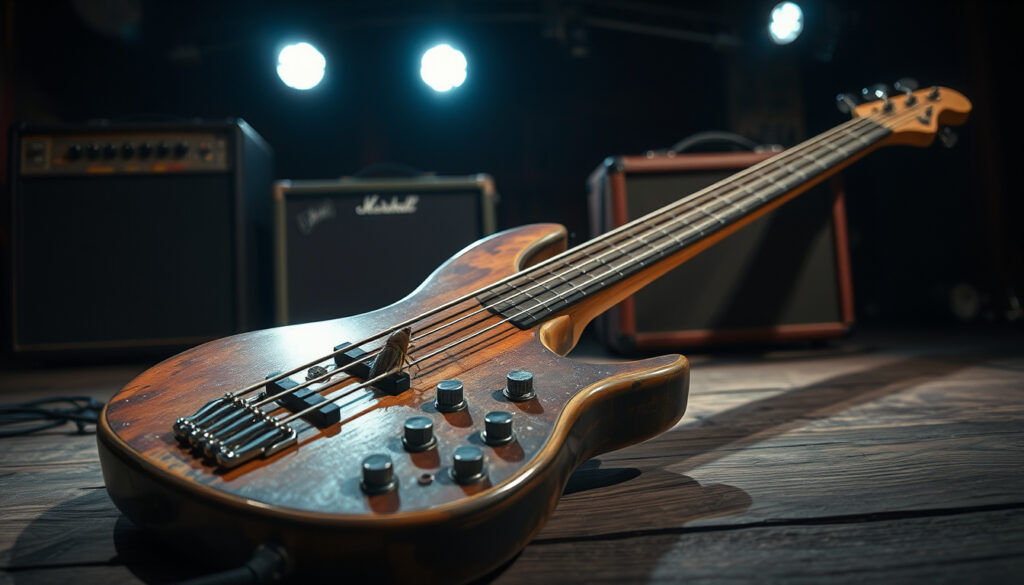
Flea RHCP: Nickname Origin, Ethnicity & Near-Quit Story
Few rock musicians carry a nickname as sticky as Flea’s — a story that starts with a hyperactive teenager at Fairfax High who could jump higher than anyone else, a detail that would define his identity for decades. It’s a tale that touches on ethnicity, near-breakups, and a friendship that survived lineup chaos and substance abuse.
Full name: Michael Peter Balzary ·
Stage name: Flea ·
Born: October 16, 1962 ·
Origin: Melbourne, Australia ·
Band: Red Hot Chili Peppers ·
Instrument: Bass guitar
Quick snapshot
- Born Michael Peter Balzary in Melbourne, Australia (Britannica)
- Parents divorced; moved to Los Angeles at age 4 (DownBeat)
- Met Anthony Kiedis at Fairfax High School (Britannica)
- Co-founded Red Hot Chili Peppers in 1983 (Britannica)
- Bassist and backing vocalist (Britannica)
- Side projects: Atoms for Peace, guest with The Mars Volta (Britannica)
Ten key facts about Flea, from his birth to his musical output, paint a clear picture of the man behind the bass.
| Label | Value |
|---|---|
| Real name | Michael Peter Balzary |
| Stage name | Flea |
| Born | October 16, 1962 |
| Birthplace | Melbourne, Victoria, Australia |
| Nationality | Australian and American |
| Genres | Funk rock, alternative rock, experimental rock |
| Occupation | Musician, actor |
| Instruments | Bass guitar, trumpet, piano |
| Years active | 1983–present |
| Labels | EMI, Warner Bros. |
Why Do They Call Him Flea?
The origin of the nickname in high school
- The commonly accepted explanation: Flea got the nickname because of his fidgety, hyperactive behavior and small stature as a child. He could jump exceptionally high, which earned him the tag from friends. (Loudwire)
- Flea himself told an interviewer, “I’ve always been kind of a spastic, jumping around, feral type of young man,” directly linking the name to his behavior. (Loudwire)
“I was a little hyperactive kid and could jump really high, so they called me Flea.”
Flea, interview with Rolling Stone
How Flea himself explains it
- In his 2019 autobiography Acid for the Children, Flea elaborates on his early life and the nickname’s roots. (Loudwire)
- A less-documented variant places the origin on a youth ski trip, but this version lacks strong corroboration. (Loudwire)
Flea didn’t invent his stage name for marketing—it was a natural label earned on the basketball courts and hallways of Fairfax High, later adopted with legal permanence.
The implication: the nickname stuck not because of a single event but because it matched Flea’s personality so perfectly that it became inseparable from his identity.
What Is Flea’s Ethnicity?
Flea’s family background
- His father is of Irish descent; his mother has Hungarian and Irish ancestry. (Wikipedia) This claim is based on a community-edited source and is treated with caution.
- A persistent rumor about Aboriginal Australian ancestry has circulated online, but Flea has reportedly dismissed it as “absolutely no truth.” (YouTube) No high-authority source confirms that background.
His Australian and American heritage
- Flea holds dual Australian and American citizenship. He was born in Melbourne but moved to Los Angeles at age four after his parents divorced. (DownBeat)
The pattern: Flea’s ethnic roots are primarily European (Irish and Hungarian), and any suggestion of Indigenous Australian heritage appears to be unsupported fan lore.
Did Flea Almost Quit RHCP?
The album that nearly ended his tenure
- After the release of One Hot Minute (1995), Flea considered leaving the Red Hot Chili Peppers due to creative differences and personal struggles. In an interview with The Guardian, he said, “After One Hot Minute, I thought, I can’t do this anymore.”
“After One Hot Minute, I thought, I can’t do this anymore.”
Flea, interview with The Guardian
Why he stayed
- Discussions with bandmates and a renewed focus on the band’s legacy convinced him to continue. The subsequent album Californication (1999) marked a commercial and artistic resurgence.
Flea’s decision to stay after One Hot Minute likely saved the band from dissolution—at the time, internal tensions were at their peak.
The catch: this near-quit moment is one of the few points where Flea has openly admitted to questioning his future with RHCP, making it a genuine turning point in the band’s history.
Are Anthony Kiedis and Flea Friends?
A decades-long friendship
- Kiedis and Flea met at Fairfax High School in 1977 and quickly bonded over music. Their friendship has survived breakups, addiction, and multiple lineup changes. (Britannica)
Disagreements and reconciliations
- They have publicly expressed mutual appreciation on multiple occasions. In his autobiography Scar Tissue, Kiedis describes Flea as his closest collaborator.
Why this matters: their friendship is the emotional core of the Red Hot Chili Peppers. Even when other members left or were fired, the Flea-Kiedis bond held the band together.
For another story of rock friendship and longevity, read our deep dive on Dave Grohl: Wife Forgiveness, Scandal, Therapy, and Music Legacy.
Who Got Kicked Out of RHCP?
Anthony Kiedis’s firing in the late 1980s
- In 1988, Kiedis was fired from Red Hot Chili Peppers due to his heroin addiction. He later described the moment: “I was out of the band. It was a wake-up call.” (from his autobiography Scar Tissue)
“I was out of the band. It was a wake-up call.”
Anthony Kiedis, autobiography Scar Tissue
Circumstances and reinstatement
- After completing rehab, Kiedis was allowed back into the band. The firing highlighted the group’s struggle with substance abuse during that era.
The trade-off: removing their lead singer forced the band into a painful confrontation with addiction, but it ultimately saved both Kiedis’s life and the band’s future.
Timeline of Key Events
- 1962 – Michael Peter Balzary born in Melbourne, Australia (Britannica)
- 1967 – Family moves to Los Angeles after parents’ divorce (DownBeat)
- 1977 – Meets Anthony Kiedis at Fairfax High School; receives nickname “Flea” (Britannica)
- 1983 – Co-founds Red Hot Chili Peppers (Britannica)
- 1988 – Anthony Kiedis fired from RHCP due to drug addiction; later reinstated (Britannica)
- 1995 – RHCP releases One Hot Minute; Flea considers quitting (Britannica)
- 1999 – Release of Californication; band’s resurgence (Britannica)
- 2019 – Flea inducted into Rock and Roll Hall of Fame with RHCP (Britannica)
This timeline shows how Flea’s deep involvement in the band from its formation through its ups and downs shaped his legacy.
Related reading: **Jimmy Page: Biography, Myths, and Key Facts** · **Dave Grohl: Wife Forgiveness, Scandal, Therapy, and Music Legacy**
jbonamassa.com, imdb.com, ohjeanrecords.com, en.wikipedia.org, facebook.com, ebooks.com, youtube.com
Understanding the origin of Fleas nickname adds depth to his story as a founding member of the Red Hot Chili Peppers.
Frequently Asked Questions
What is Flea’s real name?
His birth name is Michael Peter Balzary. (Britannica)
Where was Flea born?
He was born in Melbourne, Victoria, Australia. (Britannica)
How many children does Flea have?
Two: Clara and Sunny. (Wikipedia)
What other bands has Flea played in?
He founded Atoms for Peace and has guested with The Mars Volta. (Britannica)
Is Flea an actor?
Yes, he has appeared in films such as Back to the Future Part II and The Big Lebowski. (Wikipedia)
Flea’s journey from a hyperactive teen to rock legend shows how identity and perseverance can shape a lasting legacy.
More related posts
 Ralph Fiennes: Biography, Allegations, Personal Life, and Career
 The Mitchells vs. the Machines – Plot, Cast and Netflix Guide
 John Tory Wife Illness – Aileen’s Cancer Timeline 2018-2021
 Dina Pugliese: Why She Left BT and Her 2025 Return
 Calum Scott: Personal Life, Illness, LGBTQ Identity, Music Career
 Chris Robinson: Black Crowes Singer & Kate Hudson’s Ex
 Cha Eun-woo: Real Name, Military, Tax Controversy & Jungkook
 Julian McMahon Cause of Death: Cancer Battle at 56